 Reviews


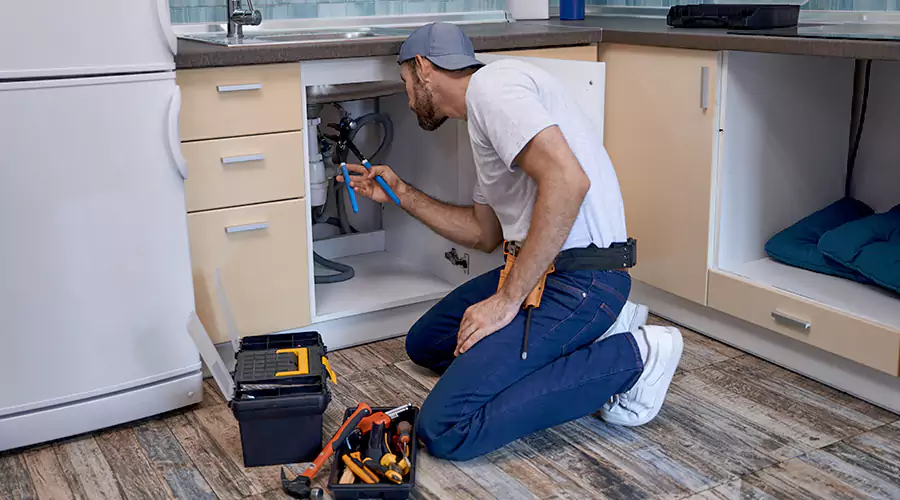
The kitchen is the heart of every home, and the plumbing fixtures you choose play a bigger role than most homeowners realize. Beyond aesthetics, the right fixtures affect water efficiency, daily functionality, durability, and even your home's resale value. Making the wrong choice can lead to higher water bills, frequent repairs, and a kitchen that simply does not perform.
In this guide, we will walk you through why fixture selection matters, what to look for in each major kitchen fixture, and how to make choices that serve your household for years to come.
Why Kitchen Plumbing Fixtures Matter More Than You Think?
Many homeowners focus on countertops, cabinetry, and appliances during a kitchen renovation while treating plumbing fixtures as an afterthought. This is a mistake. Kitchen fixtures are used dozens of times every day, and their quality directly impacts:
- Water consumption and monthly utility costs
- Kitchen workflow and how efficiently you can cook, clean, and prep
- Maintenance demands and how often you will need to call a plumber
- Home value, as buyers notice and appreciate quality fixtures
Investing time in selecting the right fixtures upfront saves you money and frustration down the road.
Choosing the Right Kitchen Sink
The kitchen sink is the most used fixture in any home, and choosing the right one requires thinking about size, material, and mounting style.
Size and Configuration
Consider how you use your sink. A large single-basin sink is ideal for washing big pots and pans, while a double-basin sink lets you multitask, such as soaking dishes on one side while rinsing produce on the other. Measure your counter space carefully, as an oversized sink can leave insufficient prep area.
Material Matters
The most common sink materials include:
- Stainless steel: Durable, easy to clean, and resistant to heat and stains. It is the most popular choice for a reason.
- Cast iron with enamel coating: Extremely durable and available in many colors, but heavy and requires solid cabinet support.
- Composite granite: Resistant to scratches and stains, with a premium look that suits modern kitchens.
Mounting Style
Undermount sinks create a seamless look and make cleaning easier, while drop-in sinks are budget-friendly and easier to install. Farmhouse sinks offer a bold, classic look but require specific cabinet configurations.
Selecting the Right Kitchen Faucet
Your kitchen faucet is used countless times each day. The right faucet balances style, functionality, and water efficiency.
Faucet Type and Function
- Pull-down faucets have a spray head that pulls straight down, making them ideal for rinsing and filling large pots.
- Pull-out faucets have a spray head that pulls out toward you and offers greater reach, suited for smaller sinks.
- Single-handle faucets allow easy temperature control with one hand, while two-handle faucets offer more precise hot and cold adjustment.
Water Efficiency Ratings
Look for faucets with the WaterSense certification from the EPA. These models use 20 percent less water than standard faucets without sacrificing performance, saving thousands of gallons annually.
Finish and Durability
Choose a finish that complements your design and holds up over time. Popular options include brushed nickel, matte black, chrome, and oil-rubbed bronze. Opt for solid brass or stainless steel construction underneath, as cheap plastic components wear out quickly and cause early leaks. Selecting durable materials is an important part of reliable Kitchen Plumbing that performs well for years.
Garbage Disposals: Do You Need One?
A garbage disposal is often overlooked during kitchen planning. When chosen and maintained correctly, it reduces food waste going to landfill and keeps your kitchen cleaner.
When selecting a garbage disposal, consider:
- Motor power: A motor rated at 1/2 horsepower suits light use, while 3/4 to 1 horsepower models handle heavier food waste more effectively.
- Noise insulation: Higher-end models come with sound insulation that significantly reduces operating noise.
- Continuous vs. batch feed: Continuous feed disposals run while water flows, while batch feed models only run when the drain cover is in place, adding a layer of safety.
Dishwasher Connections and Water Supply Lines
If your kitchen has a dishwasher, the quality of the water supply line and drainage connection matters as much as the appliance itself. Always use braided stainless steel supply lines rather than plastic ones, as they resist cracking and leaking. Make sure the drainage hose is properly looped or air-gapped to prevent backflow contamination.
Tips for Making the Right Fixture Choices
Before purchasing any kitchen plumbing fixture, keep these guidelines in mind:
- Set a realistic budget that accounts for both the fixture and professional installation costs
- Choose fixtures from reputable brands that offer warranties and readily available replacement parts
- Consider the long-term cost, not just the upfront price, including water efficiency and maintenance needs
- Match fixtures to your lifestyle, busy family kitchens need durability above all else
- Consult a licensed plumber before finalizing choices to ensure compatibility with your existing plumbing
Final Thoughts
Choosing the right plumbing fixtures for your kitchen affects your daily comfort, water usage, and long-term maintenance costs. Take the time to research your options, prioritize quality and efficiency, and consult a licensed plumber when needed. The right fixtures will serve your kitchen beautifully and reliably for many years ahead.
Invest in the right fixtures today and enjoy a kitchen that works as good as it looks.
Frequently Asked Questions
How long should quality kitchen fixtures last?
A high-quality kitchen faucet can last 15 to 20 years with proper maintenance, while a well-cared-for sink can last several decades. Reputable brands and professional installation extend the lifespan of all fixtures.
Is it worth spending more on a premium kitchen faucet?
Yes. Premium faucets use higher-grade internal components that resist wear and leaks. The extra cost is quickly recovered through fewer repairs and a longer service life.
Can I install kitchen fixtures myself?
Simple faucet replacements can be a DIY project for confident homeowners. However, sink installations, garbage disposal connections, and dishwasher plumbing are best left to a licensed plumber.
What is the most water-efficient kitchen faucet?
WaterSense-certified faucets use at least 20 percent less water than standard models while maintaining strong performance and pressure.